
More Clicks, Less Chaos: A Beginner’s Guide to Google Ads
So, you’ve decided it’s time to launch your first Google Ad campaign. You take one look at the dashboard, and suddenly feel like you’re staring at the cockpit of a 747 while it’s already in the air.
We get it. It’s a LOT. The good news? You don’t need a degree in computer science to get your ads off the ground. You just need to know what dials matter.
We’ve put together a “Google Ads Survival Guide” that’ll help you make your ads actually work for you.
Targeting: Get Hyper Specific
Google allows you to be REAL precise with who sees your ads.
Demographics: Don’t sell retirement planning to 18 year olds or math tutoring to 60 year olds.
Geography: If you only operate in Halifax, don’t pay for clicks in San Diego.
Audience intent: Target audiences who are actively researching, retarget visitors who didn’t convert, and reconnect with existing customers.

Search Intent: Understand What Users are Searching For
The best ads don’t just sell, they solve. When you understand how people are searching, you can curate your ads to meet them where they are. There are 4 different types of search intent:
Commercial: Users are comparing options and doing their research before making a decision. They’re not ready to buy yet, but they’re close.
Transactional: Users are ready to take action. Think “hire contractor” or “buy gym membership”. This is where conversions happen.
Navigational: They already know what they’re looking for, and just need help getting there. For example, “Facebook Login”
Informational: They’re looking to learn. Searches like “How to optimize Google Ads” fall into this category.
Understanding intent helps you tailor your messaging, choose the right keywords, and avoid wasting spend on the wrong audience
Ad Copy: Hook Em or Lose Em
The Hook: your headline needs to grab your audience by their collar.
The “Why You?”: Tell them what makes you different. Why should users click on you instead of the next guy? Include your unique service proposition. Do you offer free quotes? A free lifetime warranty? Free shipping? Let your audience know.
The CTA: Be bossy. Tell users exactly what to do next. “Get a quote”, “Shop the sale”, etc.
Be Consistent: FROM AD TO LANDING PAGE
Your job doesn’t end at the click. If your ad promises a 50% off sale, but the link sends users to your homepage where they have to hunt for it, they’ll leave.
Keep your messaging consistent from ad to landing page, and create a clear path from click to conversation.
The Scorecard: Focus on the metrics that actually matter
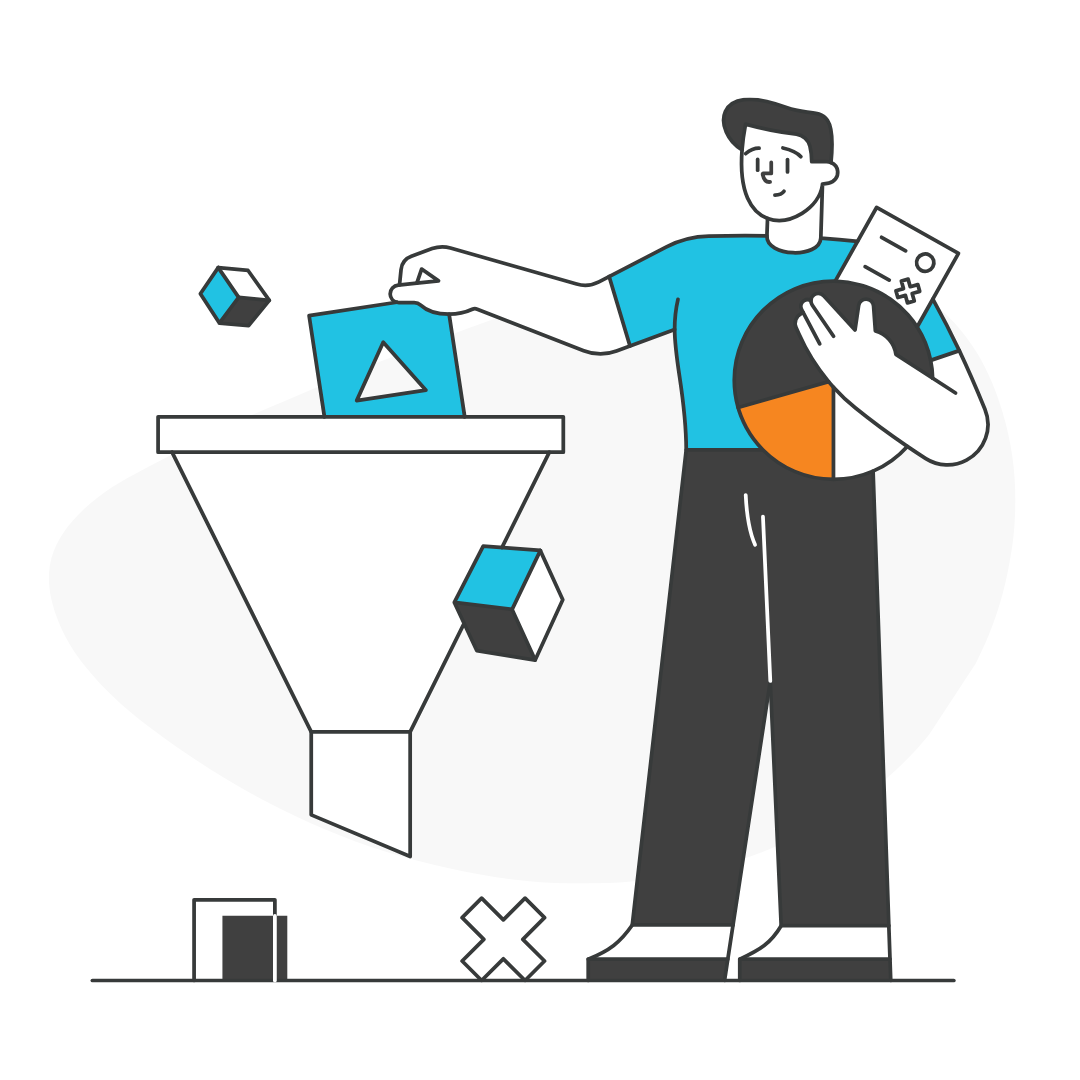
Quality Score: This is Google’s report card for your ad. A high score = lower cost per click.
Click Thru Rate: This signals whether or not people are actually interested in what you’re saying.
Conversion Rate: This is the only number that truly matters for your bottom line.
Return on Ad Spend: This shows you how many dollars are coming back to you for every dollar you feed Google.
expert tip:
Never stop testing. Run A/B tests with your headlines, copy, and targeting. Make regular adjustments and understand that the winning ad this month might come in last place next month.
Google Ads is a marathon, not a sprint. It requires consistent observation, adjustments, and testing. The goal isn’t to be perfect from day one, it’s to be consistently better each day. Start small, watch your metrics like a hawk, and don’t be afraid to kill an ad that isn’t pulling its weight.